Cricket Australia Is Selling the Big Bash. The Renegades Are Going Out Whole.
Forty-nine per cent of any team that wants to sell, and 100 per cent of the Melbourne Renegades, bids open now. The women's competition is in the deal and nobody mentioned it. Perth put its hand up, because Perth always puts its hand up, and I have some questions about what the Scorchers are called in Mumbai.
In this piece
What they approved
Cricket Australia's board met last week, made up its mind, met again on Monday night to make it official, and on Tuesday announced it with some of the country's best players standing next to the chief executive, which is what you do when you would like the news to look like a squad photo.
The news is this. Any state that wants to can sell 49 per cent of its Big Bash team and keep 51. The Melbourne Renegades are a separate matter: Cricket Australia has invited bids for the whole thing, 100 per cent, starting now. New owners take over from 2027-28, and CA will run the Renegades itself for a season in the meantime, as caretaker, which is a word for looking after a house you have already sold.
The Women's Big Bash is in the deal too. It is in the announcement, it is in the framework, and it was in almost none of the coverage. A women's competition was sold yesterday and the story was about Melbourne.
Mike Baird called it a defining moment for the game. Todd Greenberg said in June that private capital was inevitable if the Big Bash was to keep pace with the IPL and the SA20. Both of those are true. A defining moment is still a moment where somebody defines you, and inevitable is what people say about things they have decided to do.
Who said no
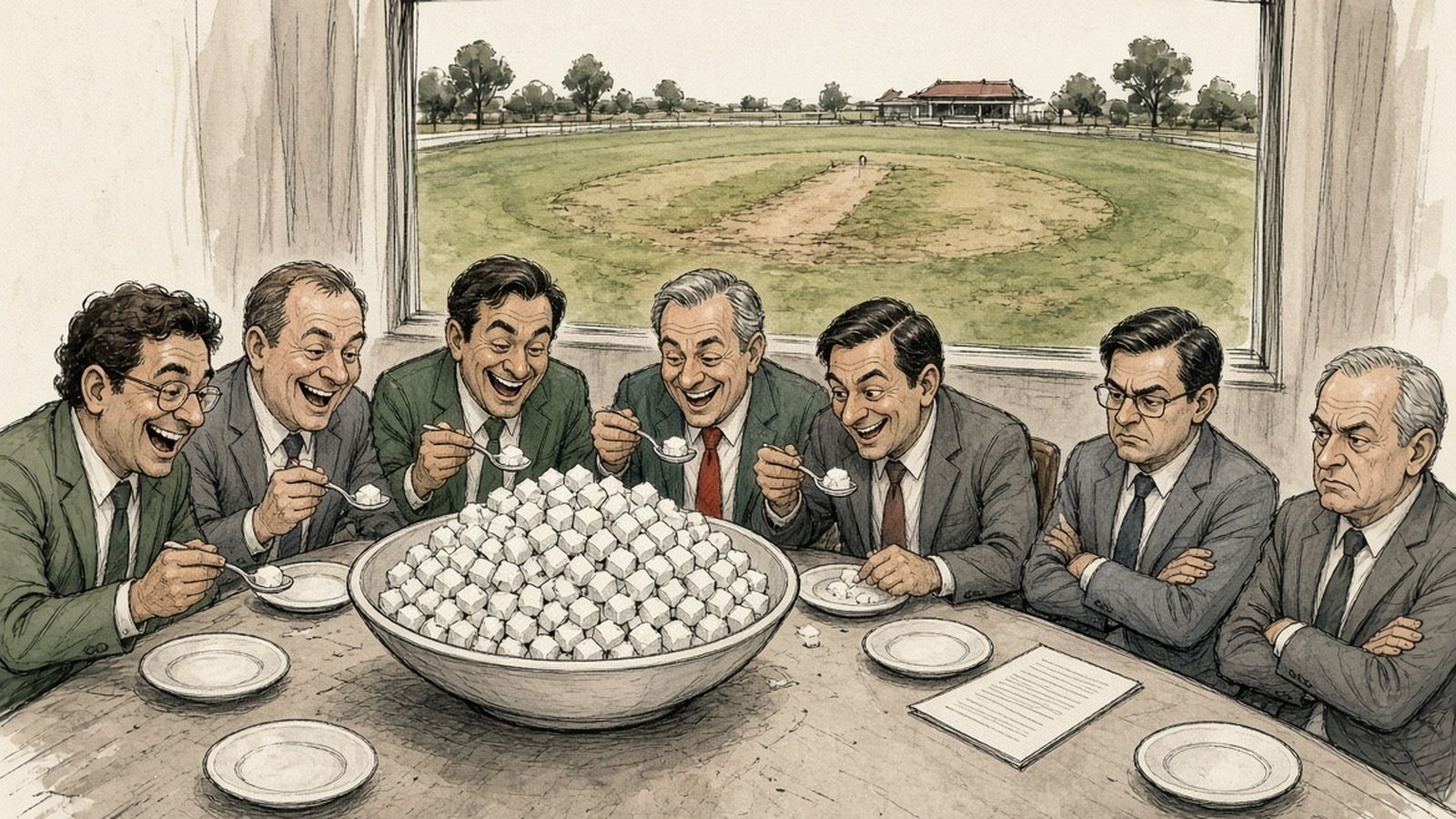
New South Wales and Queensland. The two states with the most people, the most players, the two biggest grounds, and the two boards rich enough to say no. They looked at the money and said it was a sugar hit. That the game's finances needed structural reform, not a cheque. That once you've sold half of something you can't sell it again.
That is the most sensible thing a state cricket association has said in a decade, and it lost. Tasmania, Victoria and Western Australia voted yes. South Australia argued about the tax rather than the sale, which in South Australia counts as a vote. The board went ahead with four of six. There were reports of a penalty for the states that hold out, a tax on not selling, which is a landlord charging you rent for refusing to move out.
Victoria didn't wait for the vote. Cricket Victoria started selling the Renegades in June and kept the Stars, and yesterday the Renegades became the one club going out whole. Even the people selling have a favourite, and they told the other one at a board meeting. So the number is 49, except in Melbourne, where it's 100.
Sydney Sixers, Sydney Thunder, Brisbane Heat and Adelaide Strikers are not selling anything. Hobart, the Stars and Perth are interested. That leaves a competition where half the clubs answer to investors and half answer to a state association, playing each other, under one salary cap, and everybody has agreed to find out how that goes.
Who's buying
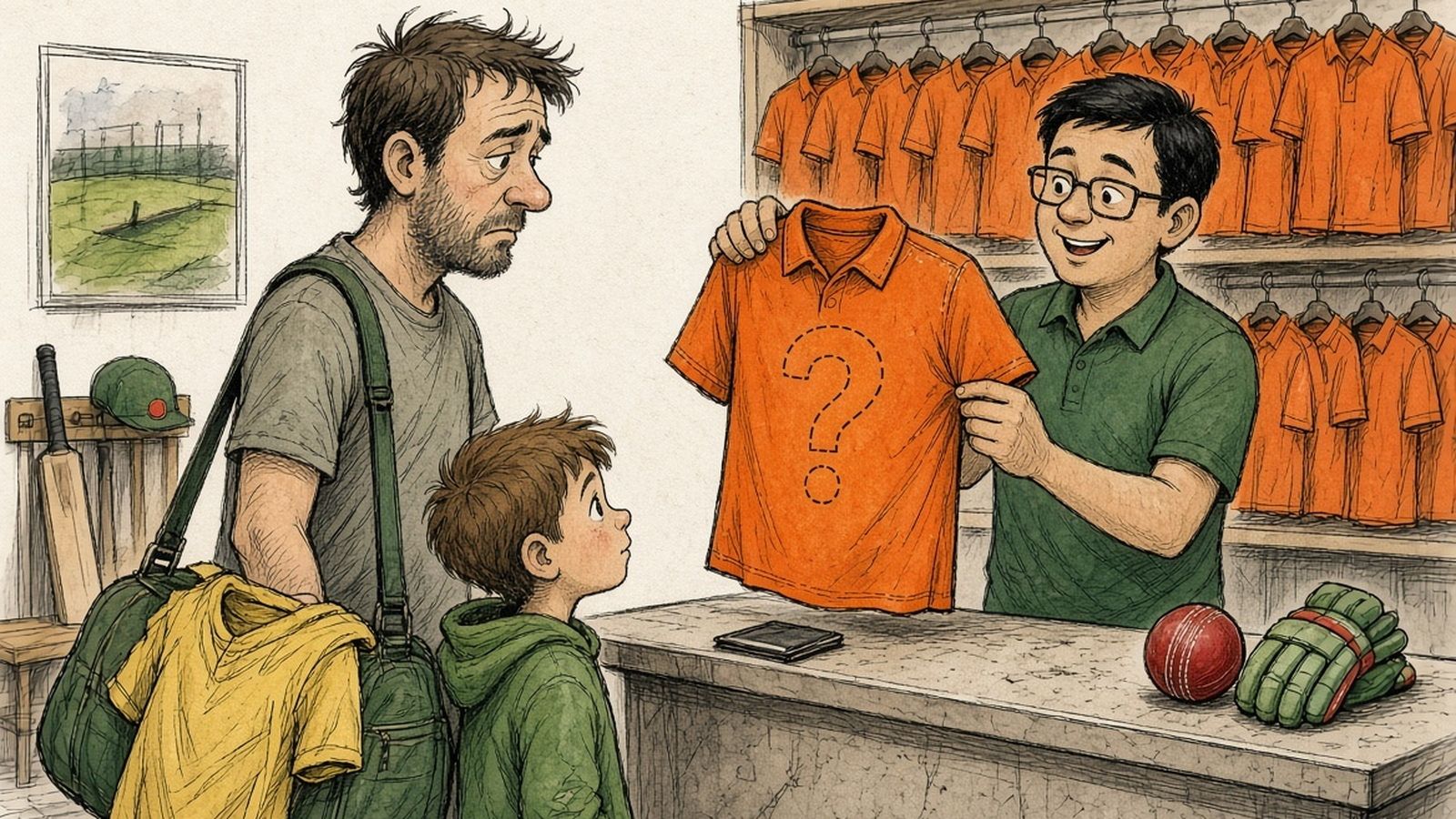
The Indian franchises. Mumbai Indians, Kolkata Knight Riders and Rajasthan Royals are the names that keep coming up, and state executives have already been to Mumbai for what are described as early discussions, which is what you call a meeting where one side has the money and the other side has a PowerPoint.
You have seen this film. The ECB sold stakes in all eight Hundred teams last year for more than £975 million, mostly to those same people, and within a season the Oval Invincibles were MI London and the Northern Superchargers were Sunrisers Leeds, a phrase nobody in Leeds has said out loud without laughing. The Hundred got a new name, a one-year gambling sponsor window that nobody walked through, and a set of owners who describe cricket as inventory.
That is the model. Not because the Indian owners are villains. They are not. They are the only people on earth who make T20 cricket pay, and they know exactly what half a Big Bash team is worth, which is why they're buying half of one and not a whole one. Fifty-one per cent is a very comfortable number for whoever holds it right up until the day they need more money, and they will need more money, because that is what the sugar hit was for.
Perth
I have lived in Perth since 2009. The Scorchers are the best-run team in the competition, the most titles, the biggest crowds, and a stadium the size of a regional airport that fills up on a Tuesday in December because there is nothing else to do and the cricket is good. Western Australia voted yes. Of course it did. WA has never seen a national arrangement it didn't want to be first in line for, on the assumption that being first in line means the line is fair.
Perth is on the list of clubs interested in an investor, alongside Hobart and the Stars. So here is my question, and it is the only question, and Lisa Sthalekar has already asked it in print, so it isn't paranoia. What are the Perth Scorchers called in Mumbai?
Cricket Australia has an answer ready. It says it keeps authority over branding, along with scheduling, player availability, the salary cap, reserve prices and who is allowed to buy in the first place. On paper the name is safe.
Every governing body that has sold a competition has said something like that on the day. The ECB sold the Hundred and within a season the Oval Invincibles were MI London and the Northern Superchargers were Sunrisers Leeds. Nobody in Leeds was asked. The clause was not the problem. The problem is that a clause is only worth as much as the board's appetite to enforce it against the person who has just handed them a cheque, and nobody has ever tested that in year four, when the money is spent and the next payment is due.
I bat nine for a club that still owes me a shirt. I know what it is to be on the wrong end of a kit deal. Sydney and Brisbane looked at this and said no, and I've spent fifteen years thinking the east coast was wrong about everything. Turns out they were saving it up.
Things I loved
- A caretaker season. Cricket Australia running a club it has already put on the market, like a housesitter watering plants for the new owners.
- The Renegades put up for sale in June, before the vote. The Stars kept. Somebody in Victoria has a favourite child and told the other one at a board meeting.
- A tax on not selling. Please, someone, name it.
- Half the competition owned by investors, half by state associations, all under one salary cap. Nobody has said out loud what happens in year three.